Brief Description
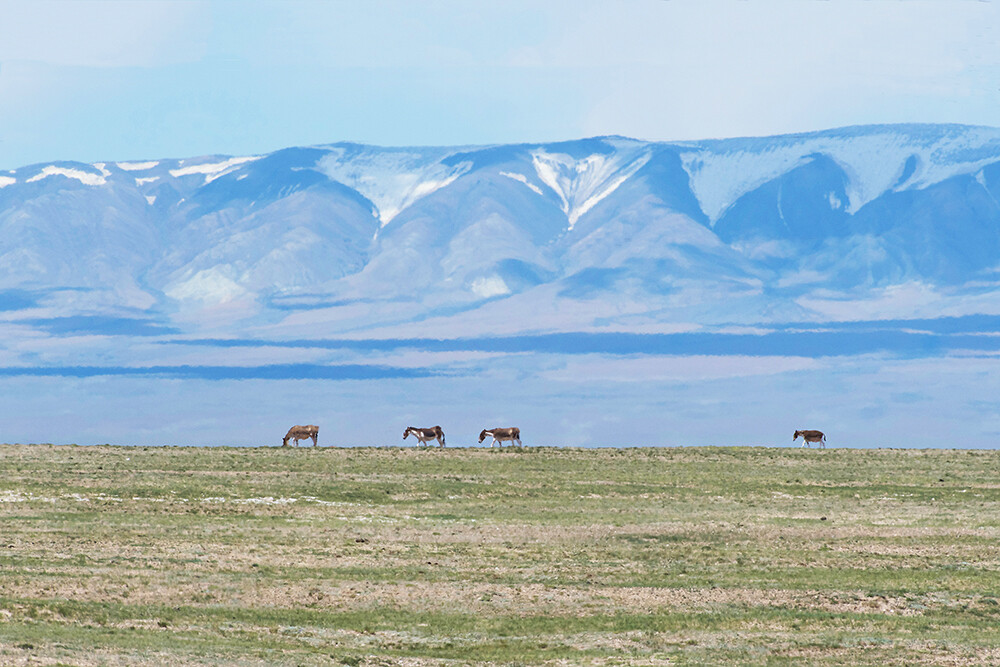
Qinghai Hoh Xil, located in the northeastern extremity of the Qinghai-Tibetan Plateau, is the largest and highest plateau in the world. This extensive area of alpine mountains and steppe systems is situated more ...
Outstanding Universal Value - Brief Synthesis
Qinghai Hoh Xil is located in the northeast corner of the vast Qinghai-Tibetan Plateau, the largest, highest and youngest plateau in the world. The property covers 3,735,632 ha with a 2,290,904 ha buffer zone and encompasses an extensive area of alpine mountains and steppe systems at elevations of over 4,500 m above sea level. Sometimes referred to as the world’s “Third Pole”, Hoh Xil has a frigid plateau climate, with sub-zero average year-round temperatures and the lowest temperature occasionally reaching -45°C. With its ongoing processes of geological formation, the property includes a large planation surface and basin on the Qinghai-Tibet Plateau. It is the area with the highest concentration of lakes on the Plateau, exhibiting an exceptional diversity of lake basins and inland lacustrine landscapes at high altitude. With its sweeping vistas and stunning visual impact, this harsh and uninhabited wild landscape seems like a place frozen in time. Yet it is a place that illustrates continually changing geomorphological and ecological systems.
The unique geographical formation and climatic conditions of the property nurture a similarly unique biodiversity. More than one third of the plant species, and all the herbivorous mammals dependent on them are endemic to the plateau, and 60% of the mammal species as a whole are plateau endemics. The frigid alpine grasslands and meadows surrounding Hoh Xil's lake basins are the main calving grounds for populations of Tibetan antelope from across the plateau and support critical migration patterns. The property includes a complete migration route from Sanjiangyuan to Hoh Xii. This route, despite being challenged by crossing the Qinghai-Tibet Highway and Railway, is the best protected among all migration routes of Tibetan antelope known today.
Inaccessibility and the harsh climate have combined to keep the property free from modern human influences and development while at the same time supporting a long-standing traditional grazing regime that coexists with the conservation of nature. Nevertheless, this ''Third Pole" of the world appears to be suffering from the impact of global climate change with disproportionally warming temperatures and changing precipitation patterns. The ecosystems and geographic landscapes are extremely sensitive to such a change and external threats need to be controlled to allow ecosystems to adapt to environmental change.