Cultural Heritage (41)
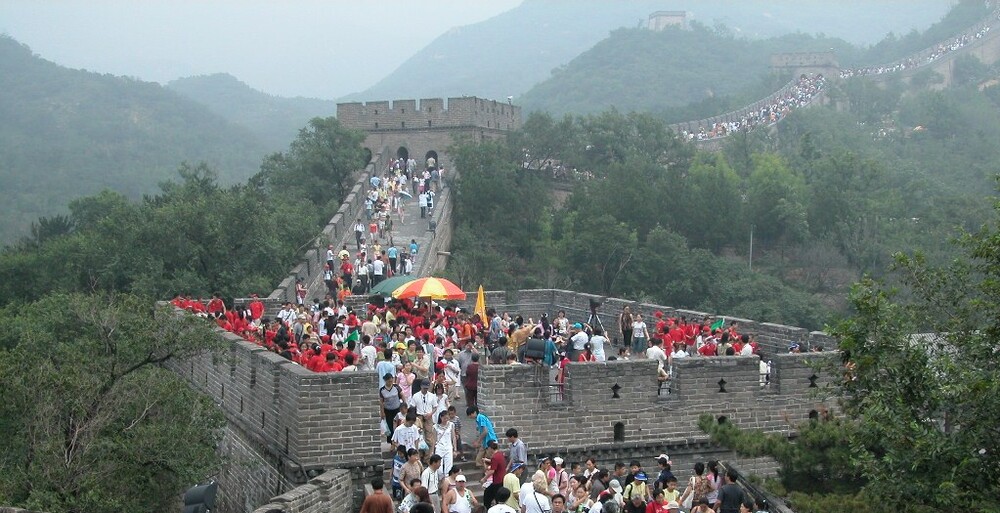
The Great Wall
In c. 220 B.C., under Qin Shi Huang, sections of earlier fortifications were joined together to form a united defence system against invasions from the north. Construction continued up to the Ming dynasty ...
Learn more →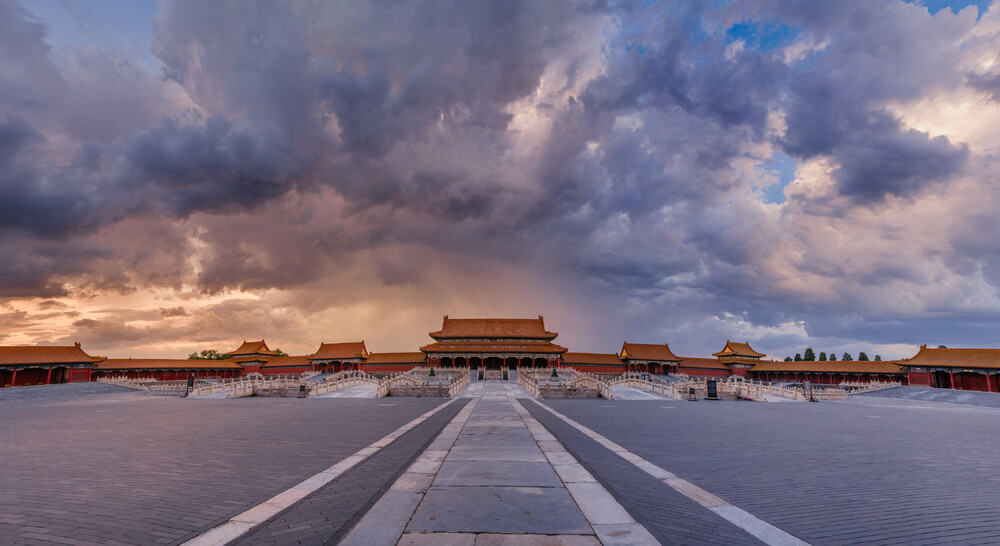
Imperial Palaces of the Ming and Qing Dynasties in Beijing and Shenyang
Seat of supreme power for over five centuries (1416-1911), the Forbidden City in Beijing, with its landscaped gardens and many buildings (whose nearly 10,000 rooms contain furniture and works of art), constitutes a ...
Learn more →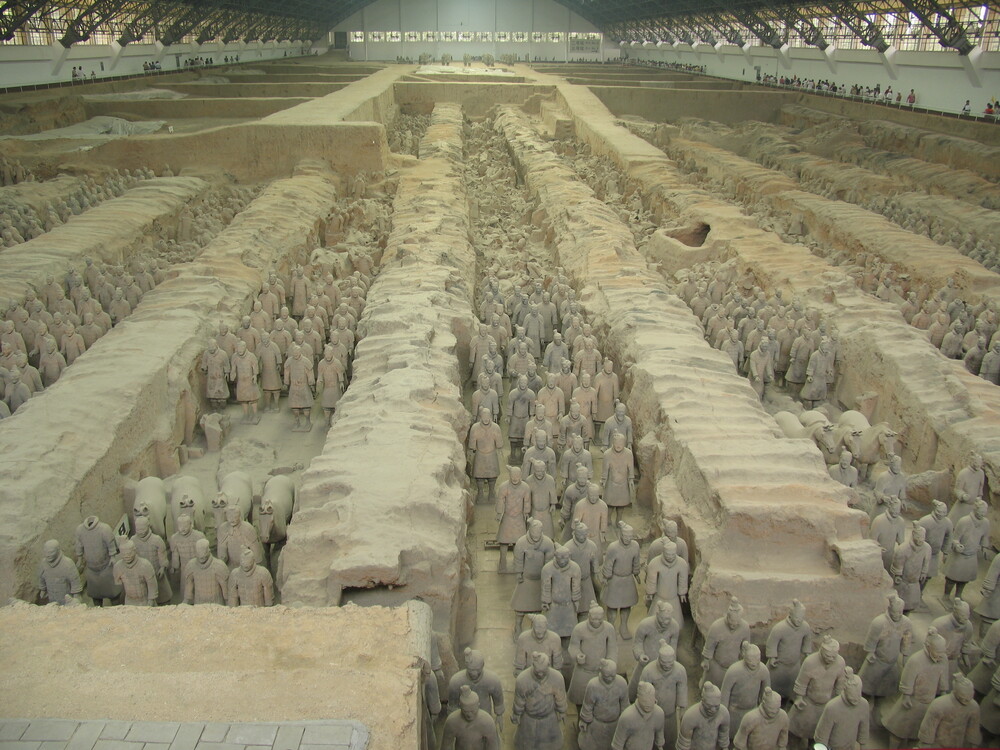
Mausoleum of the First Qin Emperor
No doubt thousands of statues still remain to be unearthed at this archaeological site, which was not discovered until 1974. Qin (d. 210 B.C.), the first unifier of China, is buried, surrounded by the famous ...
Learn more →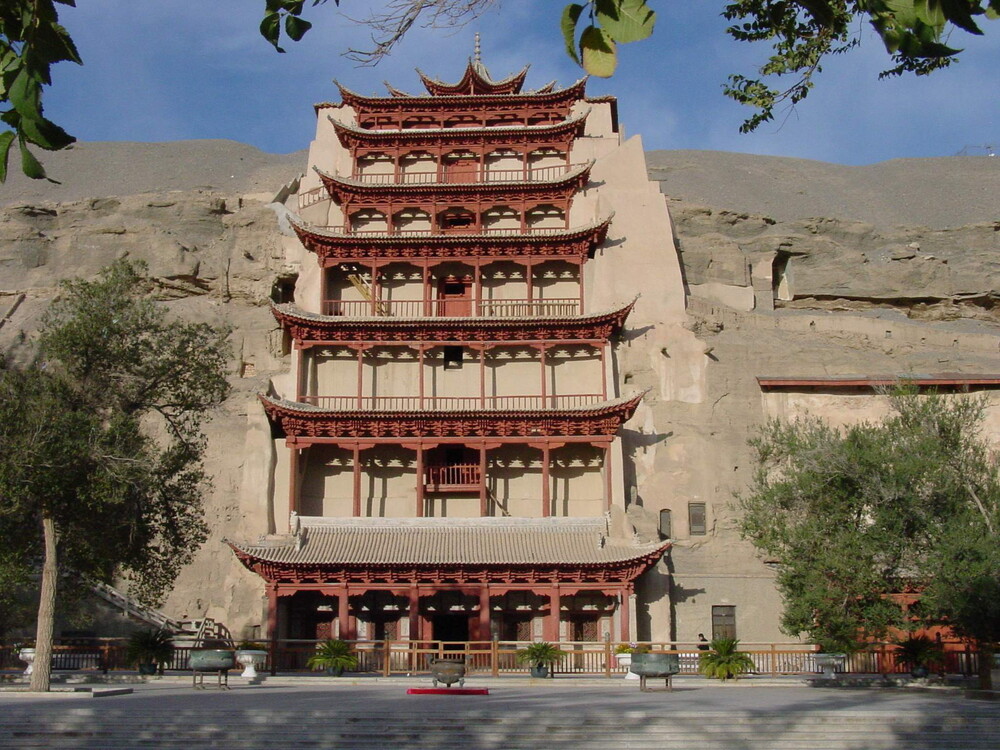
Mogao Caves
Situated at a strategic point along the Silk Route, at the crossroads of trade as well as religious, cultural and intellectual influences, the 492 cells and cave sanctuaries in Mogao are famous for their statues and ...
Learn more →
Peking Man Site at Zhoukoudian
Scientific work at the site, which lies 42 km south-west of Beijing, is still underway. So far, it has led to the discovery of the remains of Sinanthropus pekinensis, who lived in the Middle Pleistocene, along with ...
Learn more →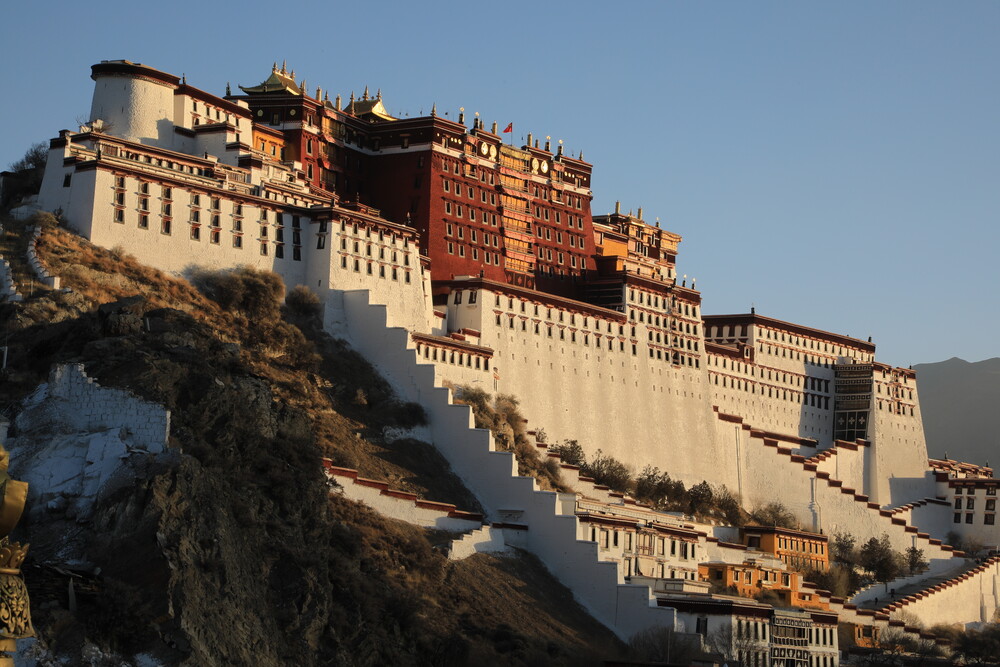
Historic Ensemble of the Potala Palace, Lhasa
The Potala Palace, winter palace of the Dalai Lama since the 7th century, symbolizes Tibetan Buddhism and its central role in the traditional administration of Tibet. The complex, comprising the White and Red ...
Learn more →Mountain Resort and its Outlying Temples, Chengde
The Mountain Resort (the Qing dynasty's summer palace), in Hebei Province, was built between 1703 and 1792. It is a vast complex of palaces and administrative and ceremonial buildings. Temples of various ...
Learn more →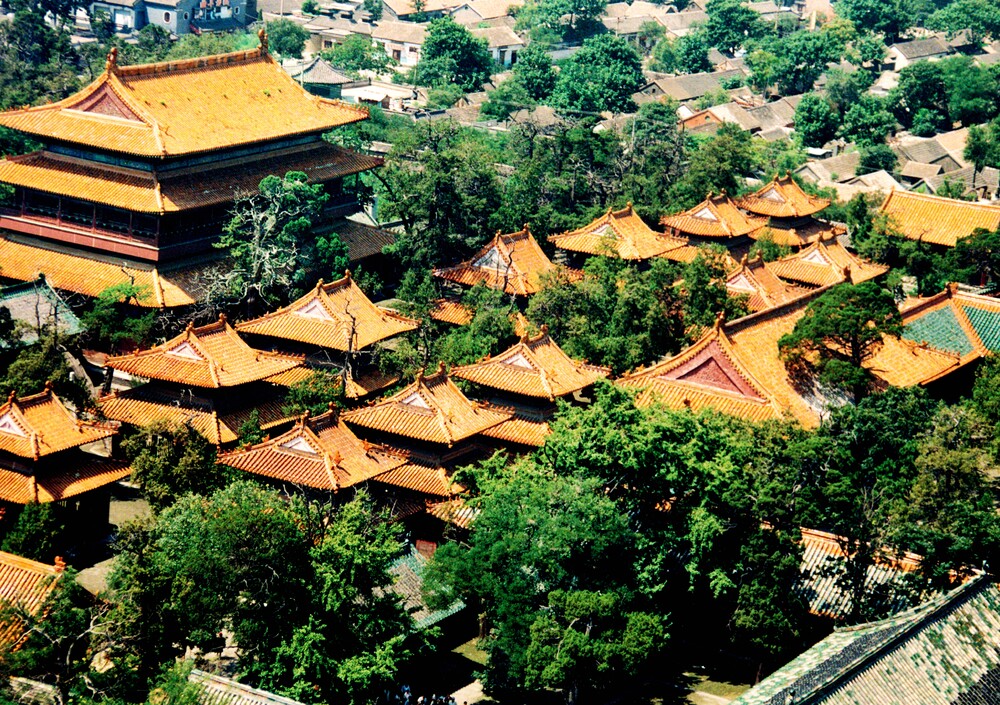
Temple and Cemetery of Confucius and the Kong Family Mansion in Qufu
The temple, cemetery and family mansion of Confucius, the great philosopher, politician and educator of the 6th–5th centuries B.C., are located at Qufu, in Shandong Province. Built to commemorate him in 478 B.C., ...
Learn more →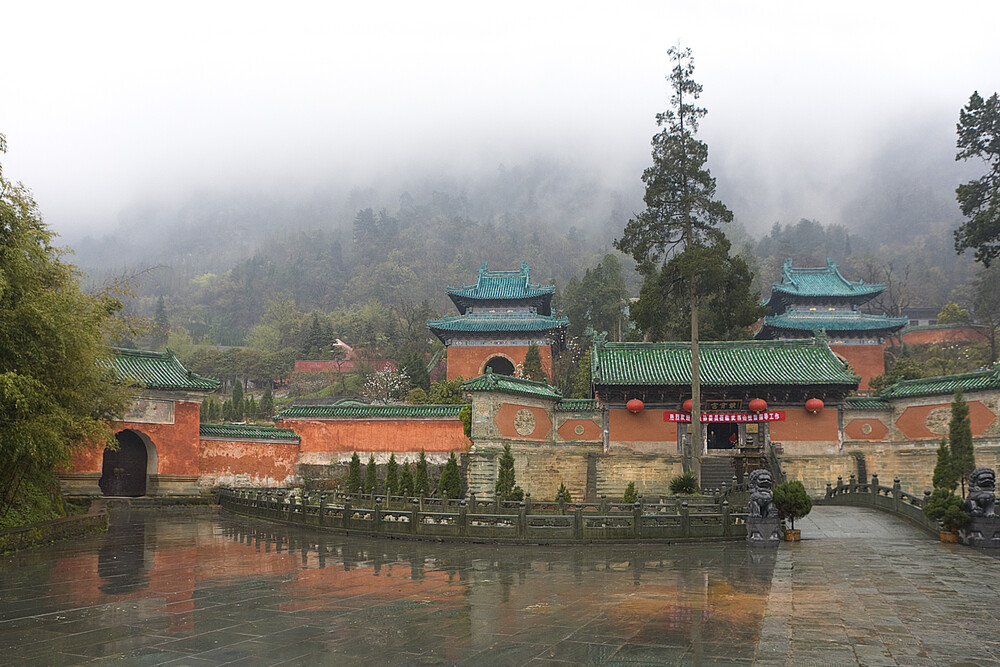
Ancient Building Complex in the Wudang Mountains
The palaces and temples which form the nucleus of this group of secular and religious buildings exemplify the architectural and artistic achievements of China's Yuan, Ming and Qing dynasties. Situated in the scenic ...
Learn more →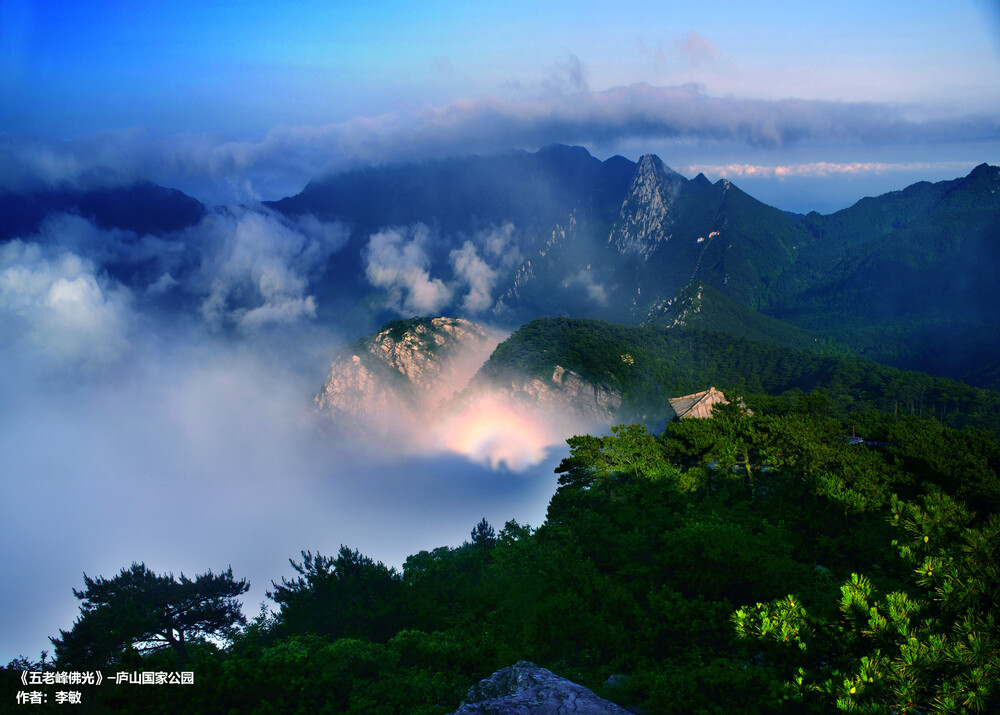
Lushan National Park
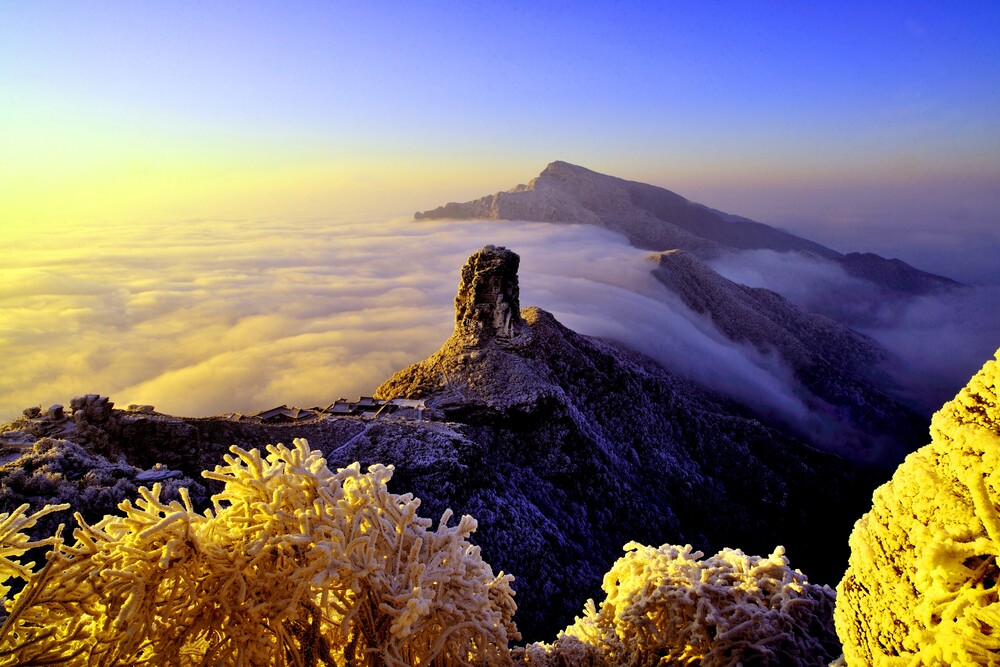
Mount Lushan, in Jiangxi, is one of the spiritual centres of Chinese civilization. Buddhist and Taoist temples, along with landmarks of Confucianism, where the most eminent masters taught, blend effortlessly into a ...
Learn more →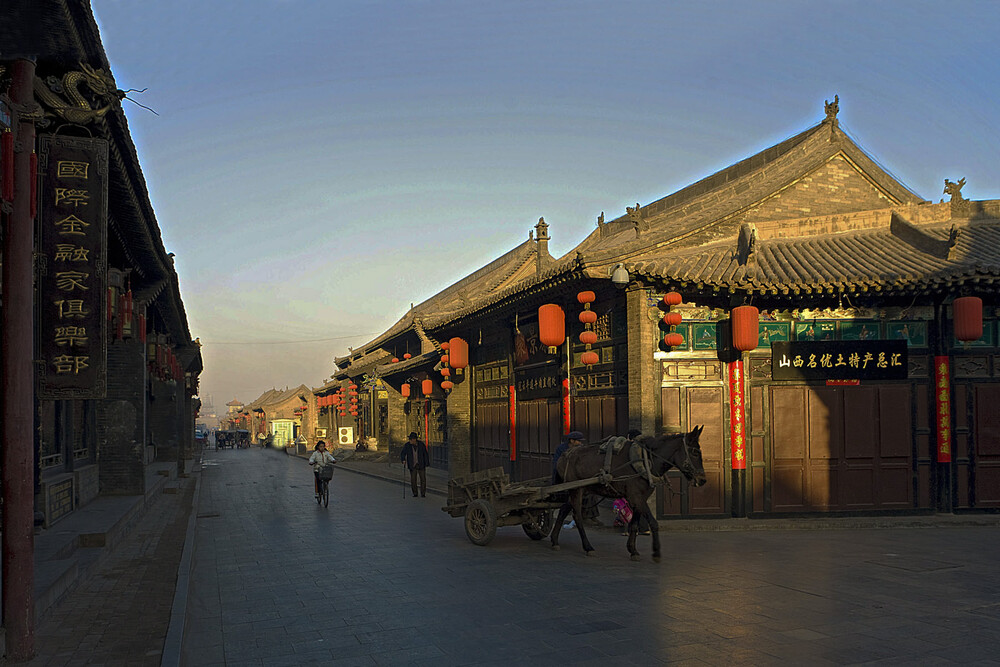
Ancient City of Ping Yao
Ping Yao is an exceptionally well-preserved example of a traditional Han Chinese city, founded in the 14th century. Its urban fabric shows the evolution of architectural styles and town planning in Imperial China ...
Learn more →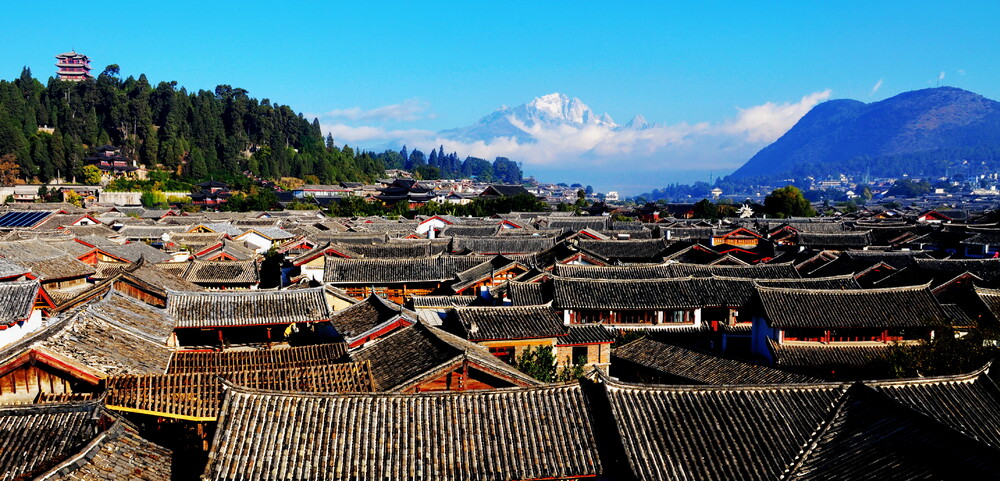
Old Town of Lijiang
The Old Town of Lijiang, which is perfectly adapted to the uneven topography of this key commercial and strategic site, has retained a historic townscape of high quality and authenticity. Its architecture is ...
Learn more →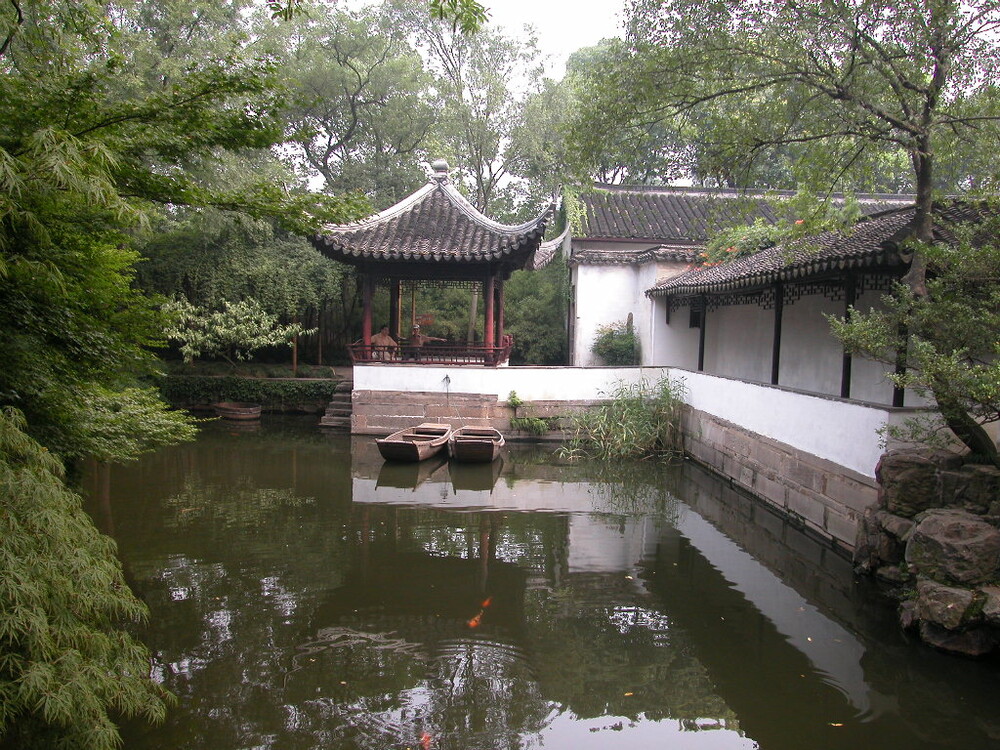
Classical Gardens of Suzhou
Classical Chinese garden design, which seeks to recreate natural landscapes in miniature, is nowhere better illustrated than in the nine gardens in the historic city of Suzhou. They are generally acknowledged to be ...
Learn more →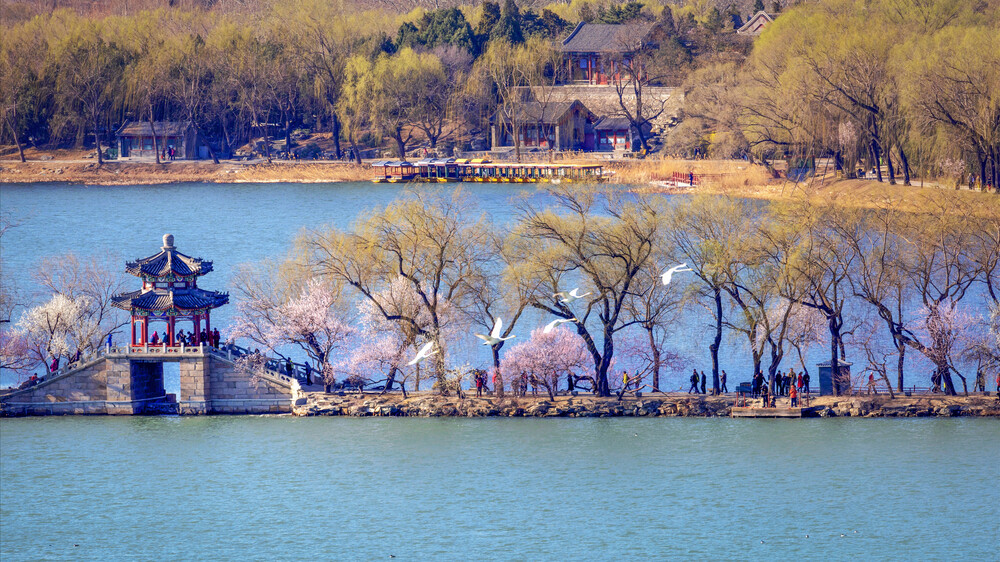
Summer Palace, an Imperial Garden in Beijing
The Summer Palace in Beijing – first built in 1750, largely destroyed in the war of 1860 and restored on its original foundations in 1886 – is a masterpiece of Chinese landscape garden design. The ...
Learn more →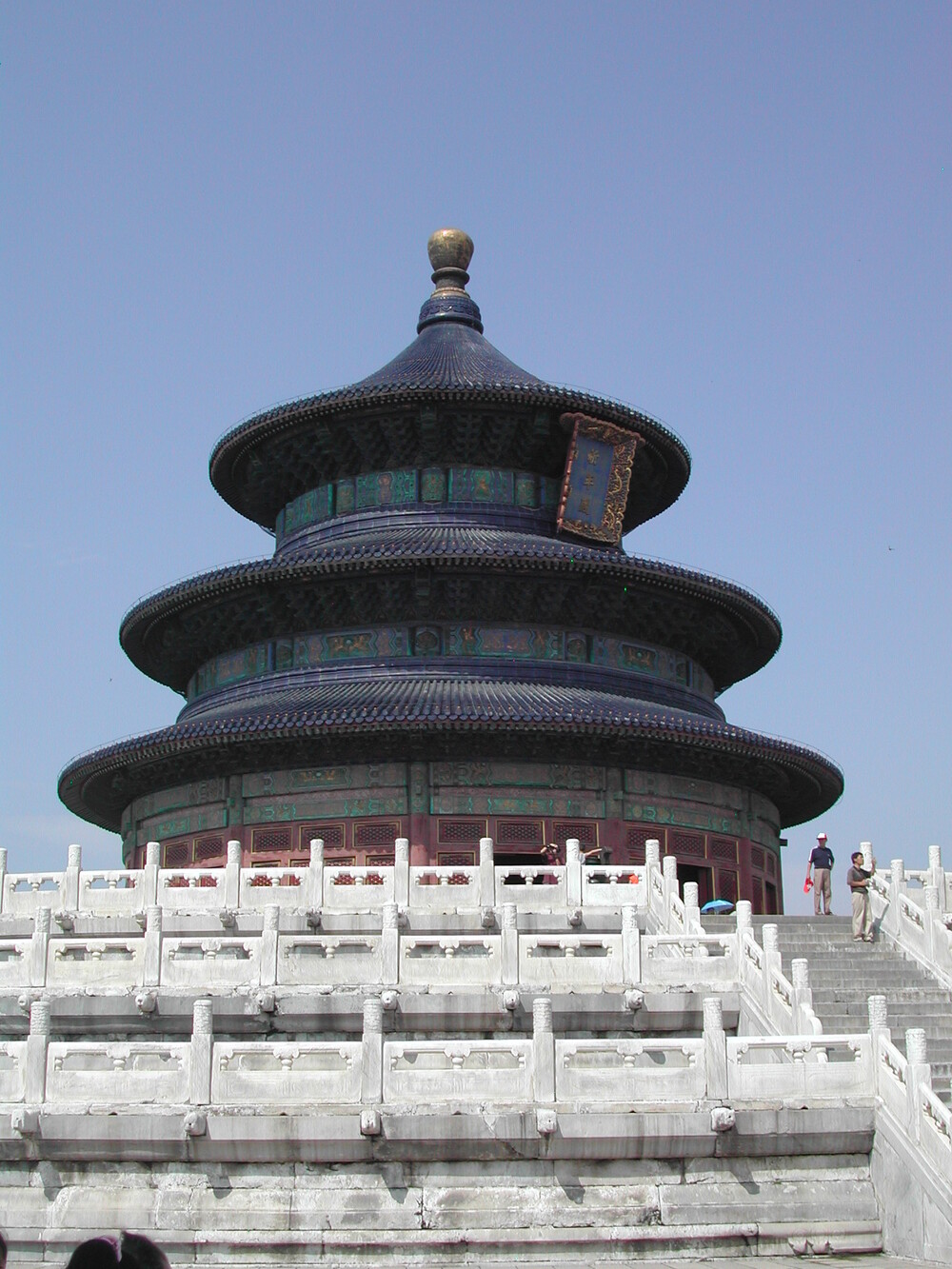
Temple of Heaven: an Imperial Sacrificial Altar in Beijing
The Temple of Heaven, founded in the first half of the 15th century, is a dignified complex of fine cult buildings set in gardens and surrounded by historic pine woods. In its overall layout and that of its ...
Learn more →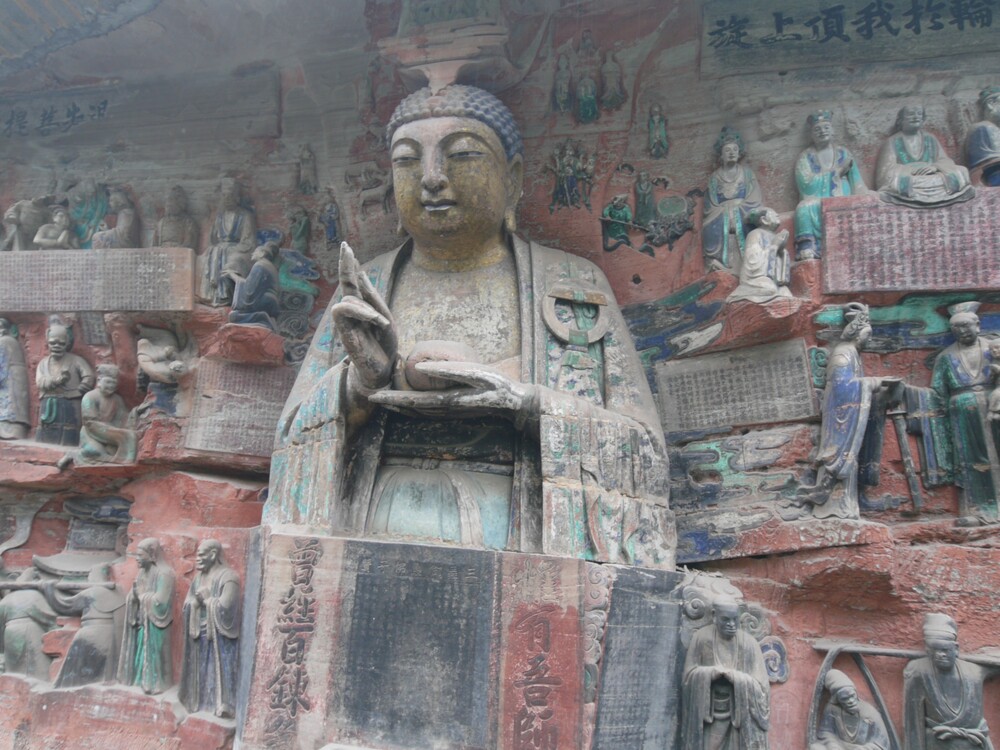
Dazu Rock Carvings
The steep hillsides of the Dazu area contain an exceptional series of rock carvings dating from the 9th to the 13th century. They are remarkable for their aesthetic quality, their rich diversity of subject matter, ...
Learn more →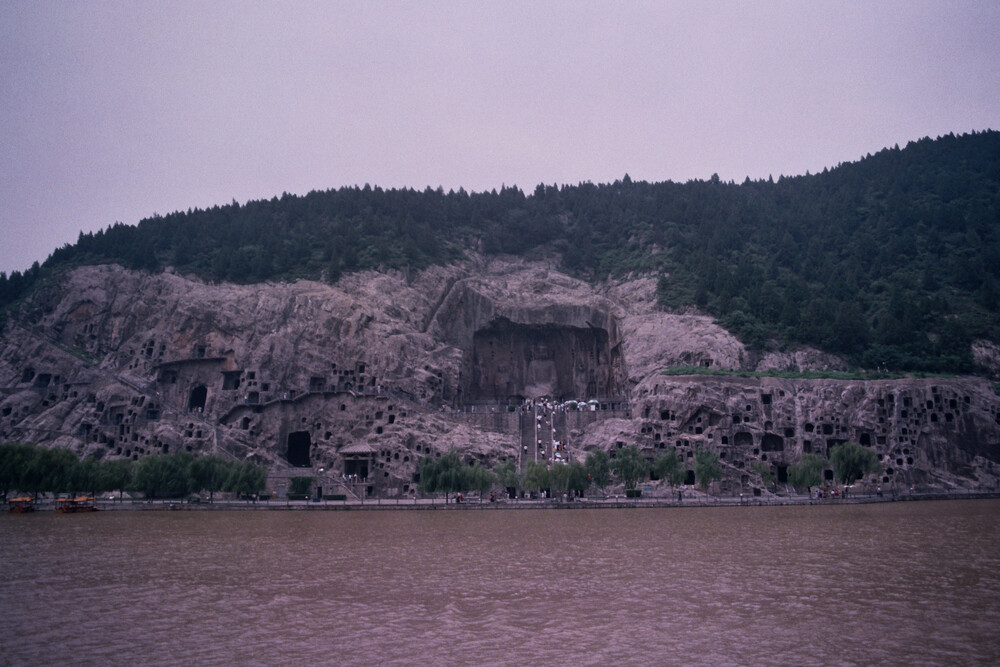
Longmen Grottoes
The grottoes and niches of Longmen contain the largest and most impressive collection of Chinese art of the late Northern Wei and Tang Dynasties (316-907). These works, entirely devoted to the Buddhist religion, ...
Learn more →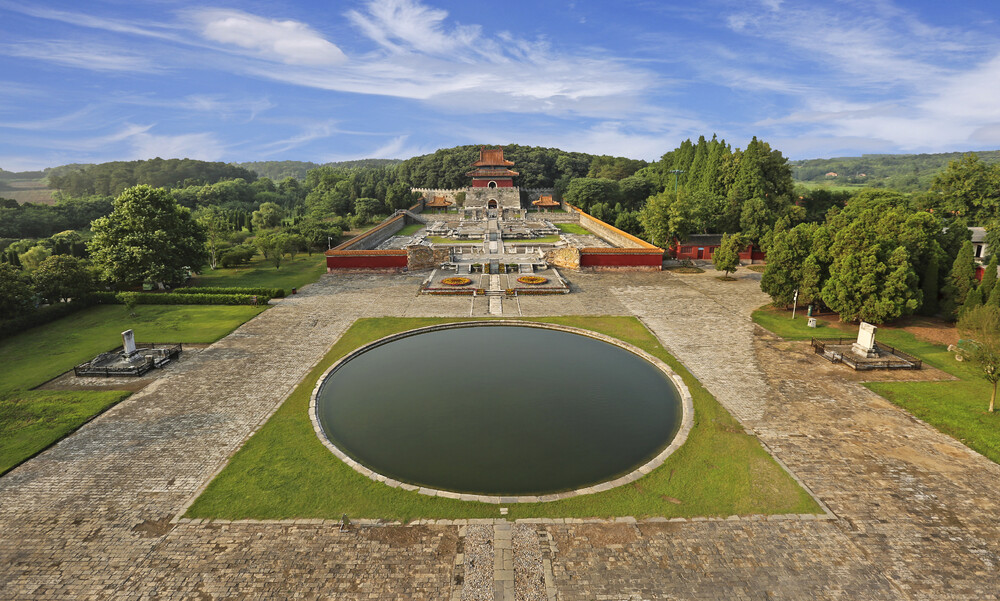
Imperial Tombs of the Ming and Qing Dynasties
It represents the addition of three Imperial Tombs of the Qing Dynasty in Liaoning to the Ming tombs inscribed in 2000 and 2003. The Three Imperial Tombs of the Qing Dynasty in Liaoning Province include the Yongling ...
Learn more →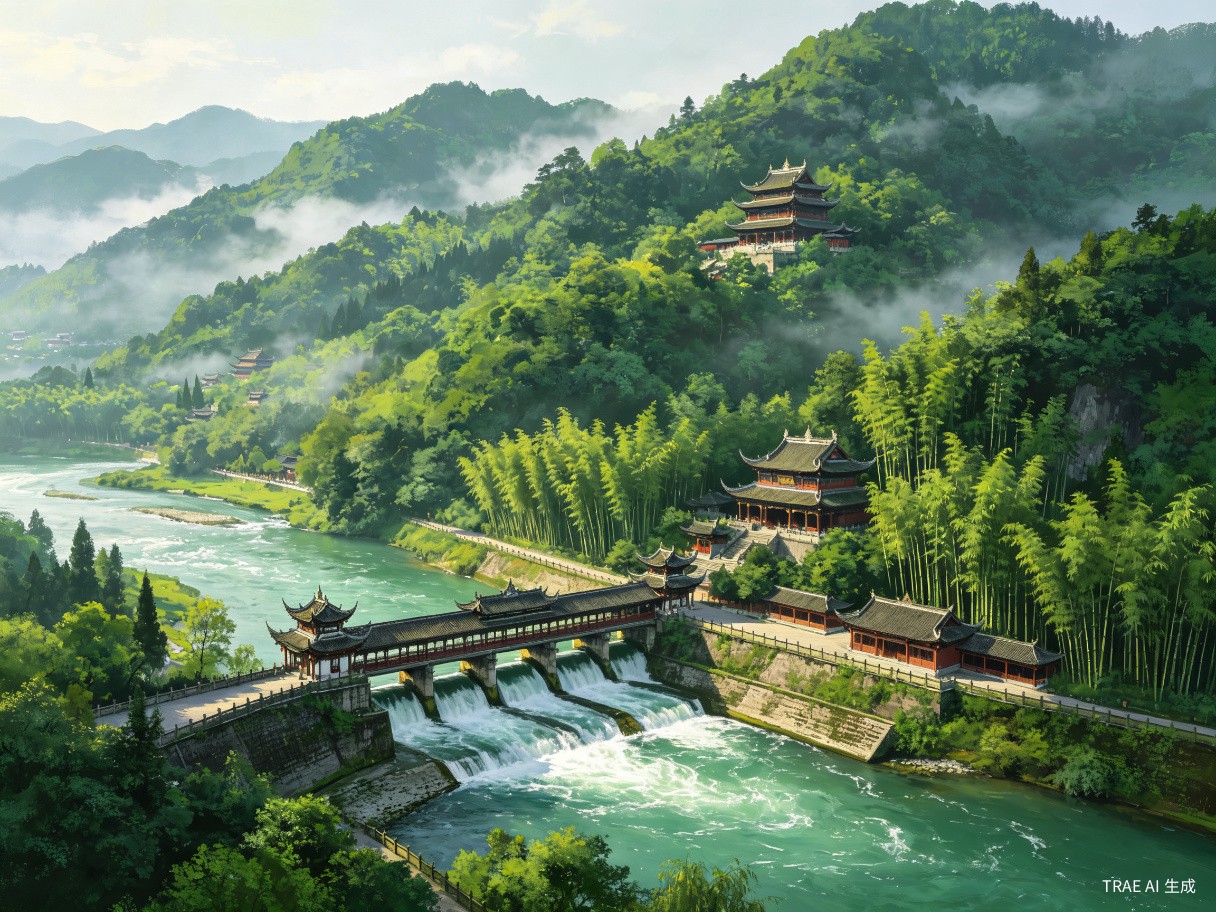
Mount Qingcheng and the Dujiangyan Irrigation System
Construction of the Dujiangyan irrigation system began in the 3rd century B.C. This system still controls the waters of the Minjiang River and distributes it to the fertile farmland of the Chengdu plains. Mount ...
Learn more →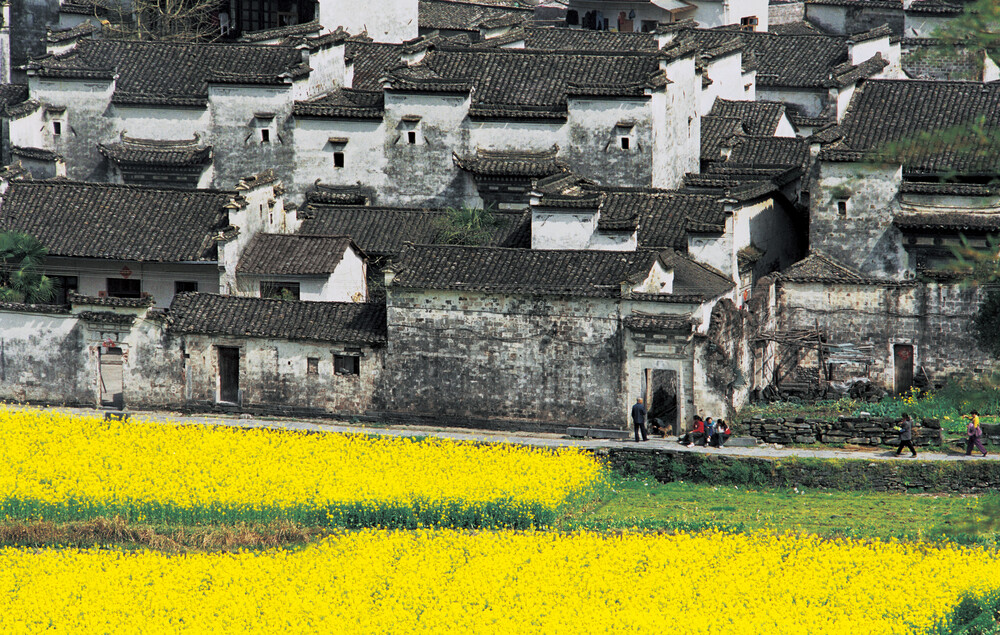
Ancient Villages in Southern Anhui - Xidi and Hongcun
The two traditional villages of Xidi and Hongcun preserve to a remarkable extent the appearance of non-urban settlements of a type that largely disappeared or was transformed during the last century. Their street ...
Learn more →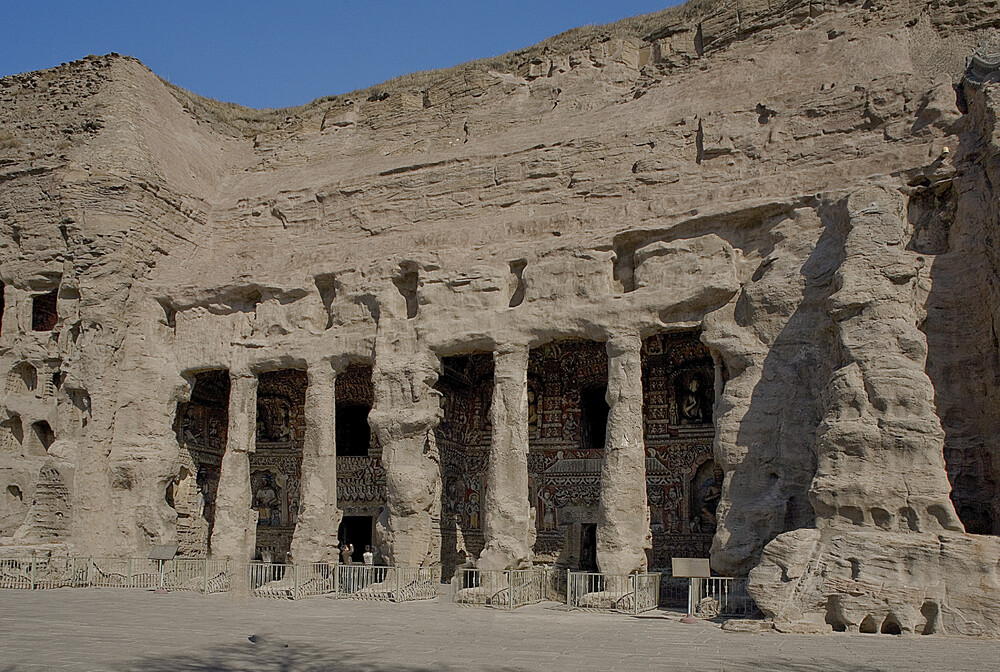
Yungang Grottoes
The Yungang Grottoes, in Datong city, Shanxi Province, with their 252 caves and 51,000 statues, represent the outstanding achievement of Buddhist cave art in China in the 5th and 6th centuries. The Five Caves ...
Learn more →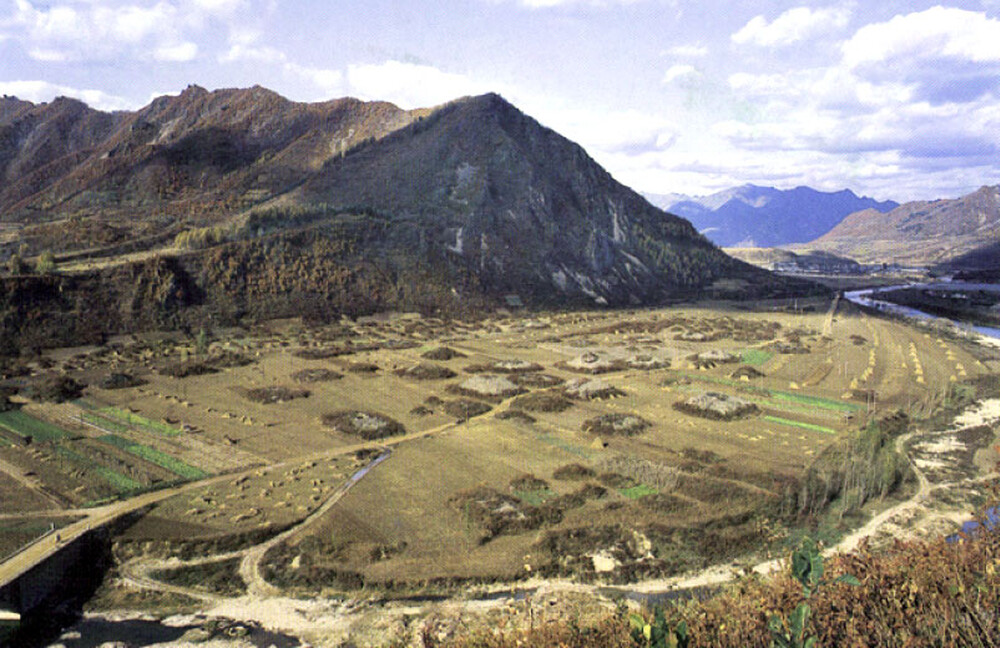
Capital Cities and Tombs of the Ancient Koguryo Kingdom
The site includes archaeological remains of three cities and 40 tombs: Wunu Mountain City, Guonei City and Wandu Mountain City, 14 tombs are imperial, 26 of nobles. All belong to the Koguryo culture, named after the ...
Learn more →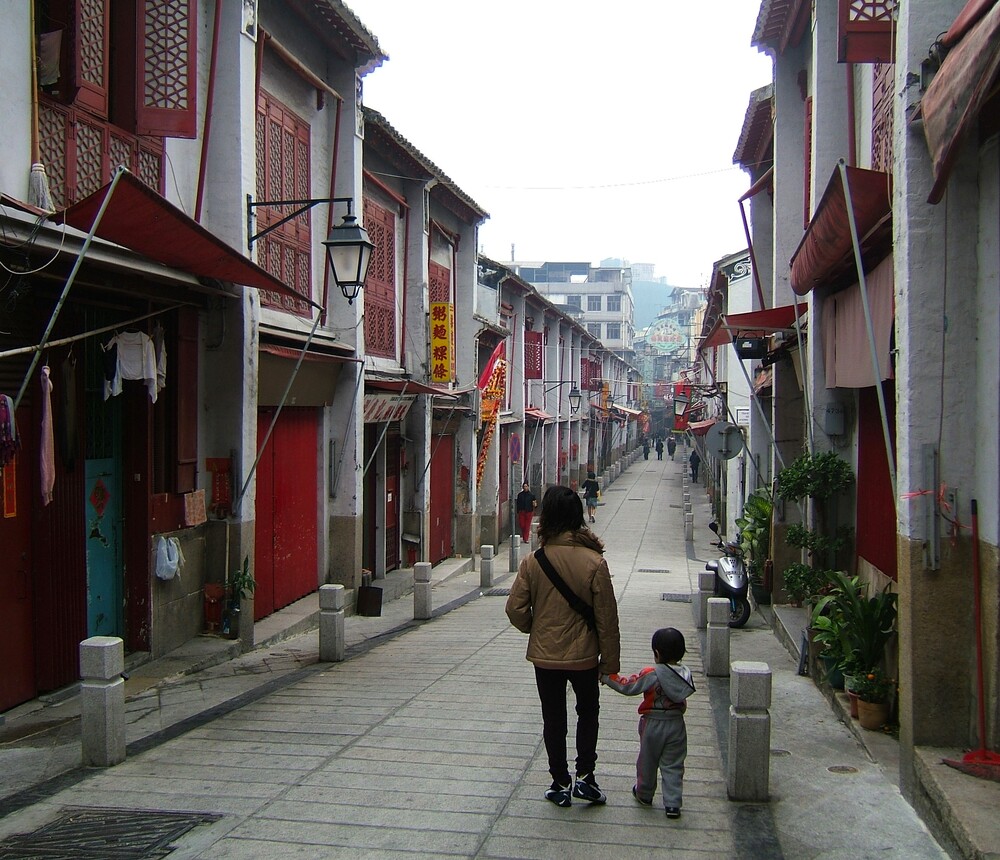
Historic Centre of Macao
Macao, a lucrative port of strategic importance in the development of international trade, was under Portuguese administration from the mid-16th century until 1999, when it came under Chinese sovereignty. With its ...
Learn more →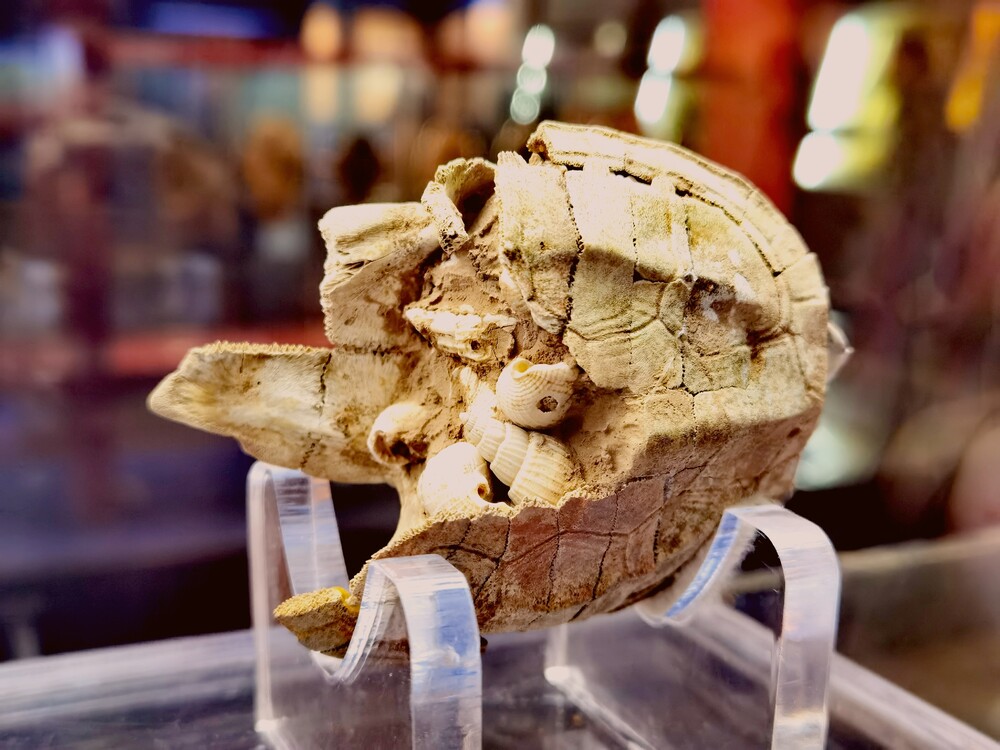
Yin Xu
The archaeological site of Yin Xu, close to Anyang City, some 500 km south of Beijing, is an ancient capital city of the late Shang Dynasty (1300 - 1046 BC). It testifies to the golden age of early Chinese culture, ...
Learn more →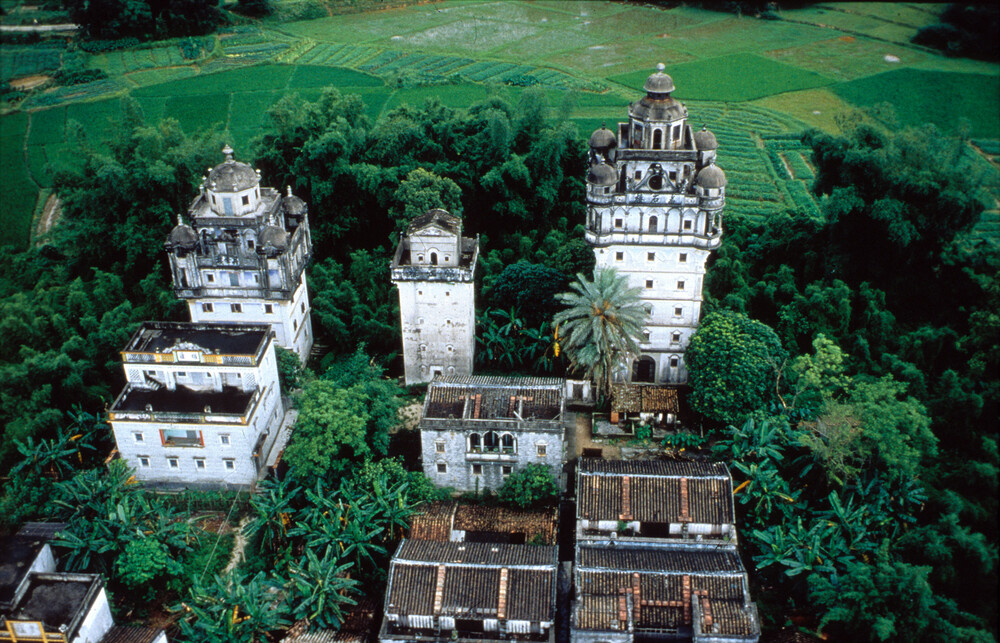
Kaiping Diaolou and Villages
Kaiping Diaolou and Villages feature the Diaolou, multi-storeyed defensive village houses in Kaiping, which display a complex and flamboyant fusion of Chinese and Western structural and decorative forms. They ...
Learn more →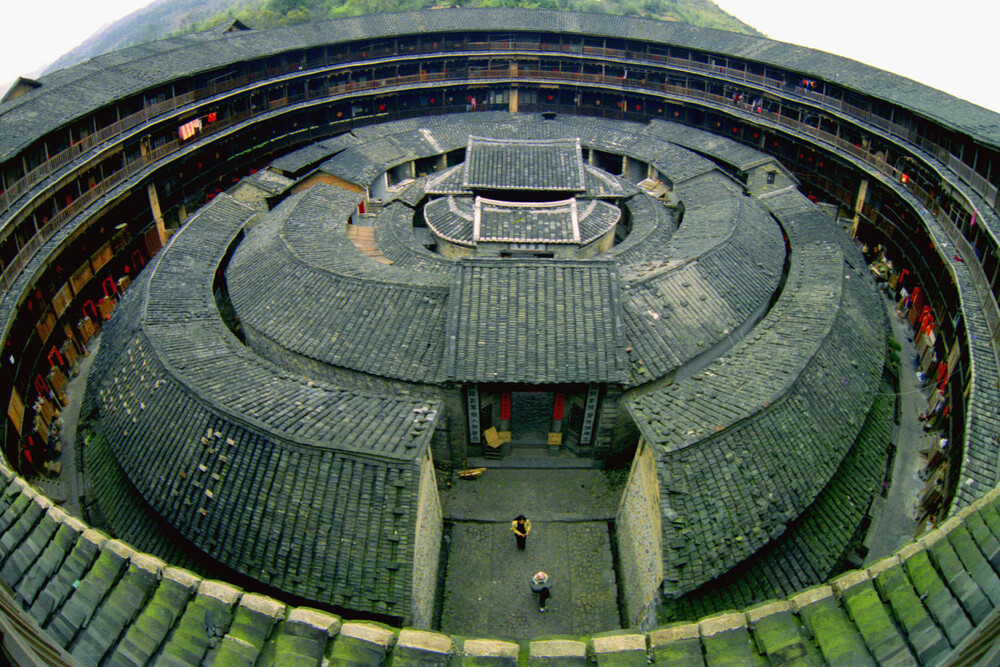
Fujian Tulou
Fujian Tulou is a property of 46 buildings constructed between the 15th and 20th centuries over 120 km in south-west of Fujian province, inland from the Taiwan Strait. Set amongst rice, tea and tobacco fields the ...
Learn more →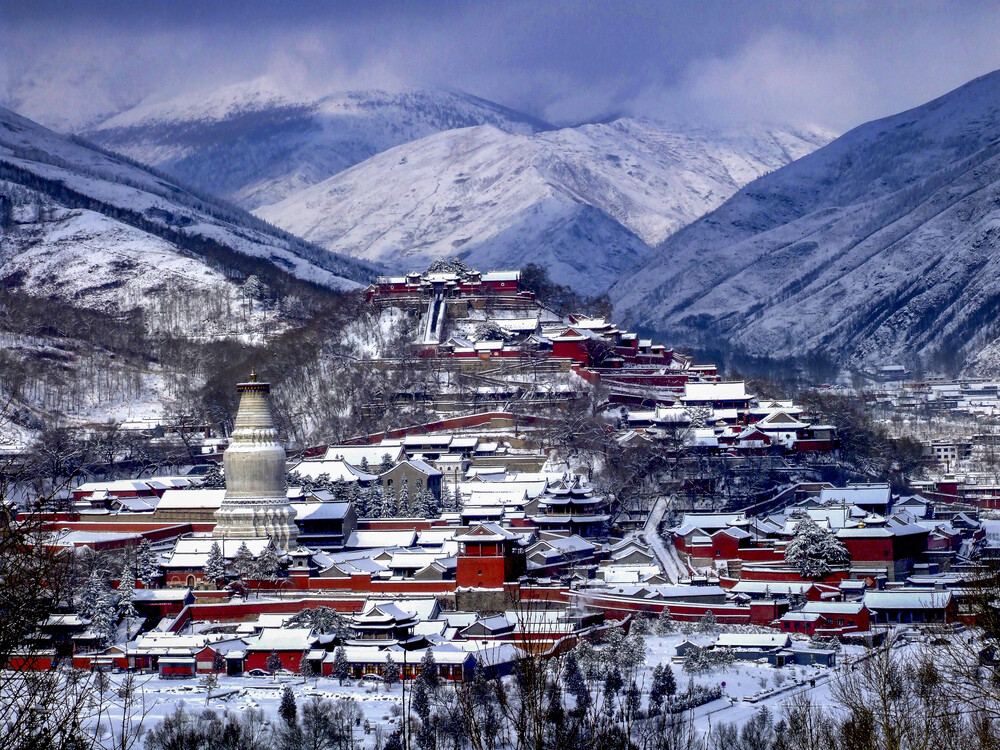
Mount Wutai
With its five flat peaks, Mount Wutai is a sacred Buddhist mountain. The cultural landscape is home to forty-one monasteries and includes the East Main Hall of Foguang Temple, the highest surviving timber building ...
Learn more →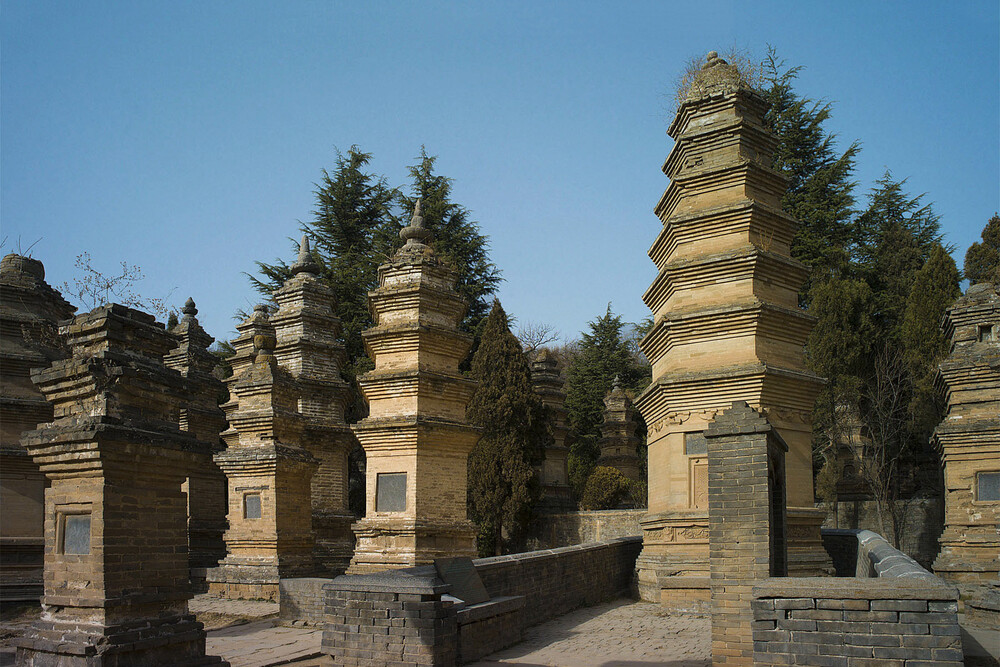
Historic Monuments of Dengfeng in 'The Centre of Heaven and Earth'
Mount Songshang is considered to be the central sacred mountain of China. At the foot of this 1500 metre high mountain, close to the city of Dengfeng in Henan province and spread over a 40 square-kilometre circle, ...
Learn more →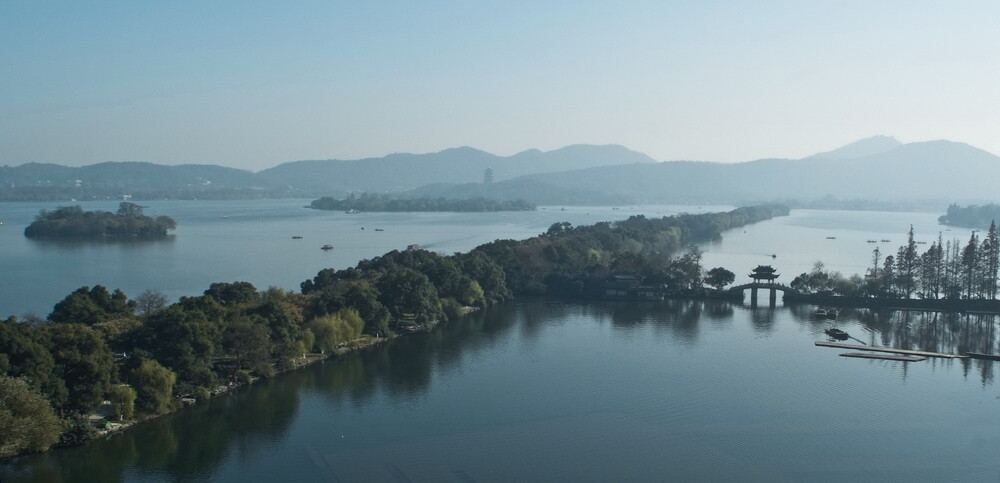
West Lake Cultural Landscape of Hangzhou
The West Lake Cultural Landscape of Hangzhou, comprising the West Lake and the hills surrounding its three sides, has inspired famous poets, scholars and artists since the 9th century. It comprises numerous temples, ...
Learn more →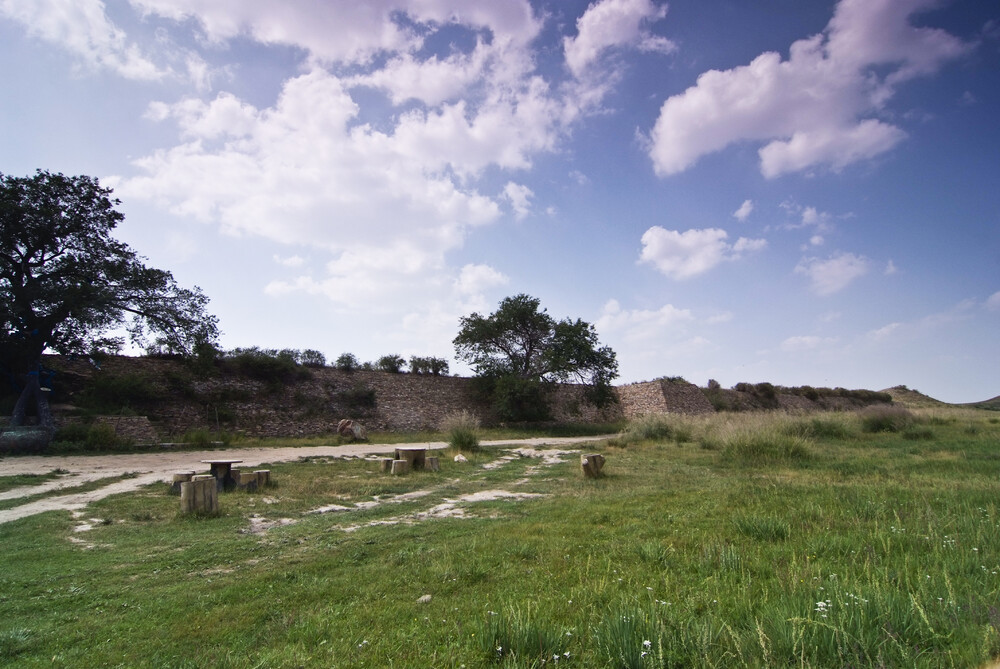
Site of Xanadu
North of the Great Wall, the Site of Xanadu encompasses the remains of Kublai Khan’s legendary capital city, designed by the Mongol ruler’s Chinese advisor Liu Bingzhdong in 1256. Over a surface area of ...
Learn more →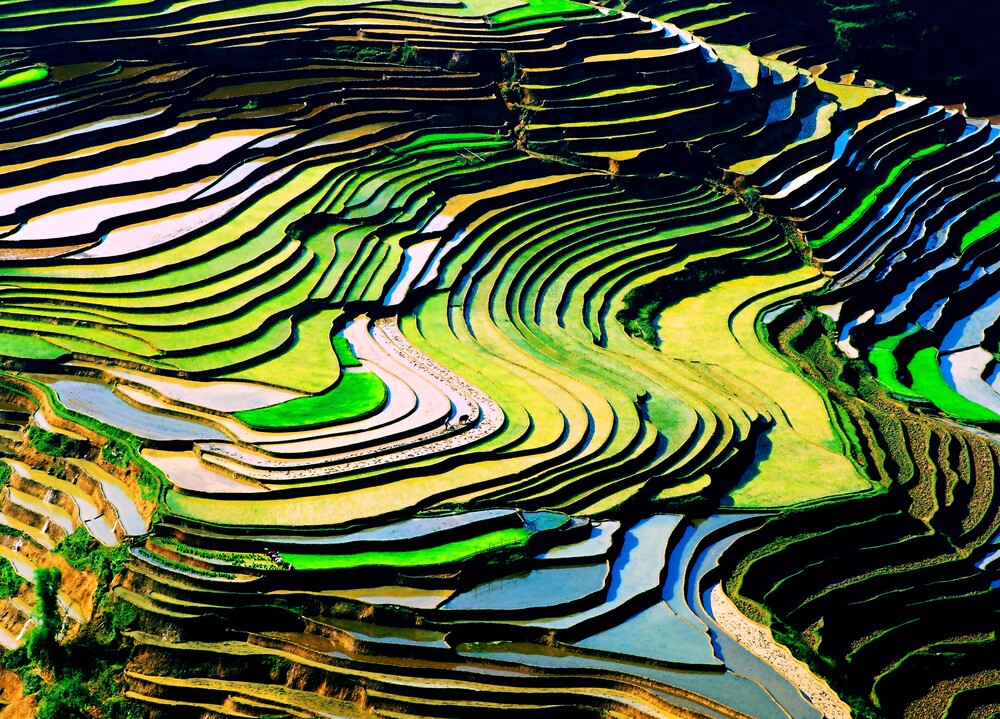
Cultural Landscape of Honghe Hani Rice Terraces
The Cultural Landscape of Honghe Hani Rice Terraces, China covers 16,603-hectares in Southern Yunnan. It is marked by spectacular terraces that cascade down the slopes of the towering Ailao Mountains to the banks of ...
Learn more →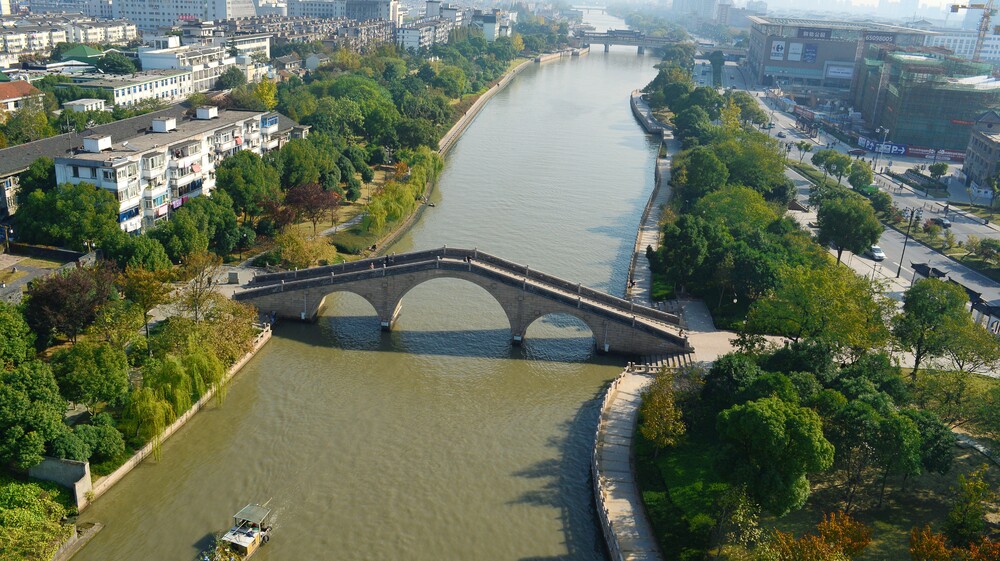
The Grand Canal
The Grand Canal is a vast waterway system in the north-eastern and central-eastern plains of China, running from Beijing in the north to Zhejiang province in the south. Constructed in sections from the 5th century ...
Learn more →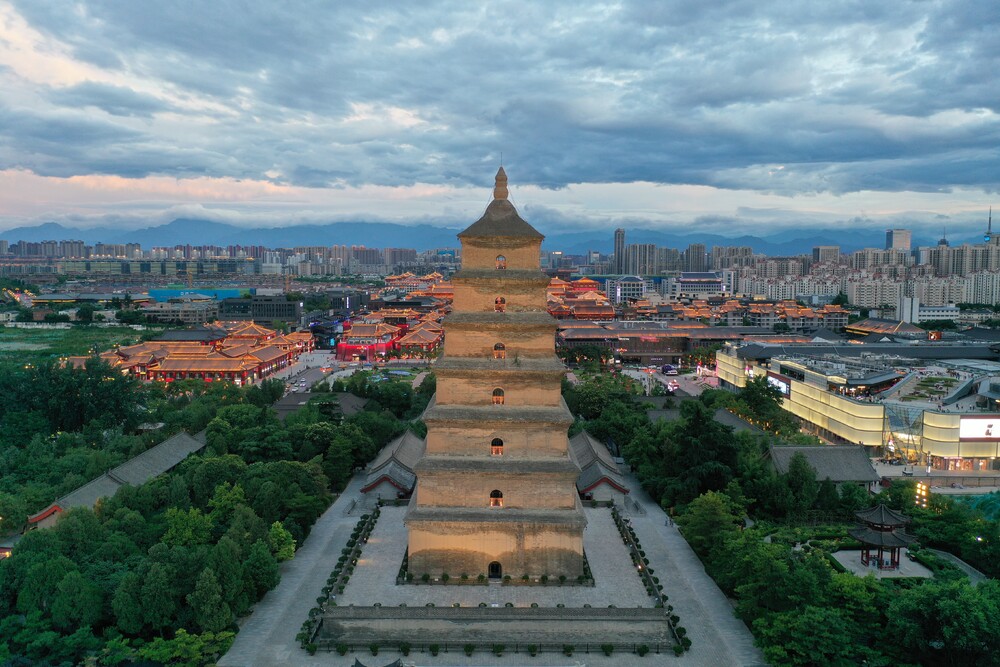
Silk Roads: the Routes Network of Chang'an-Tianshan Corridor
This property is a 5,000 km section of the extensive Silk Roads network, stretching from Chang’an/Luoyang, the central capital of China in the Han and Tang dynasties, to the Zhetysu region of Central Asia. It took ...
Learn more →
Tusi Sites
Located in the mountainous areas of south-west China, this property encompasses remains of several tribal domains whose chiefs were appointed by the central government as ‘Tusi’, hereditary rulers from the 13th to ...
Learn more →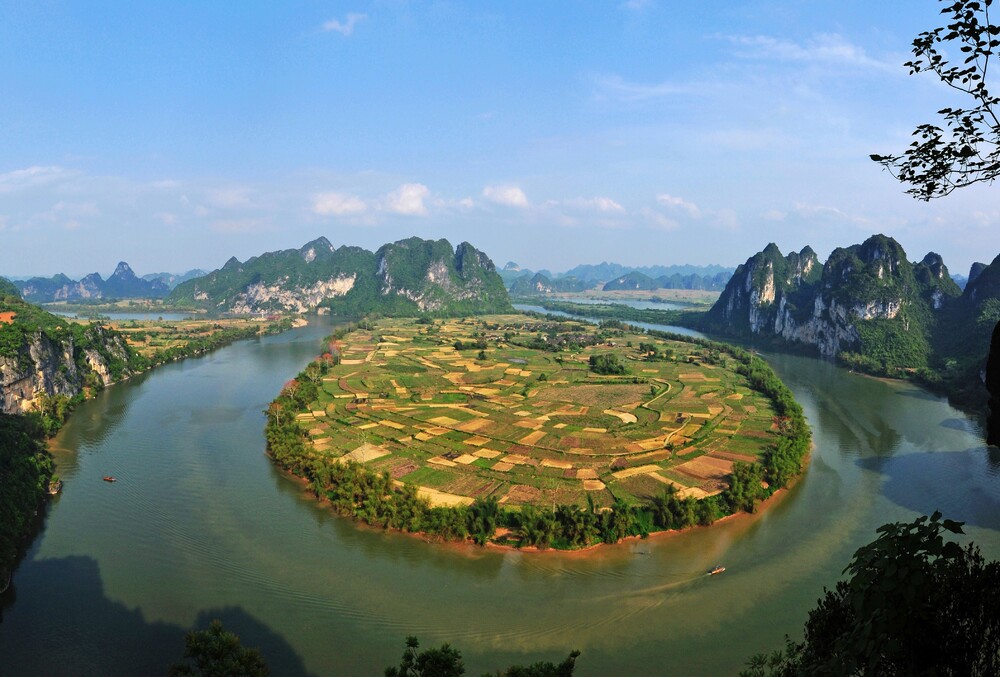
Zuojiang Huashan Rock Art Cultural Landscape
Located on the steep cliffs in the border regions of southwest China, these 38 sites of rock art illustrate the life and rituals of the Luoyue people. They date from the period around the 5th century BCE to the 2nd ...
Learn more →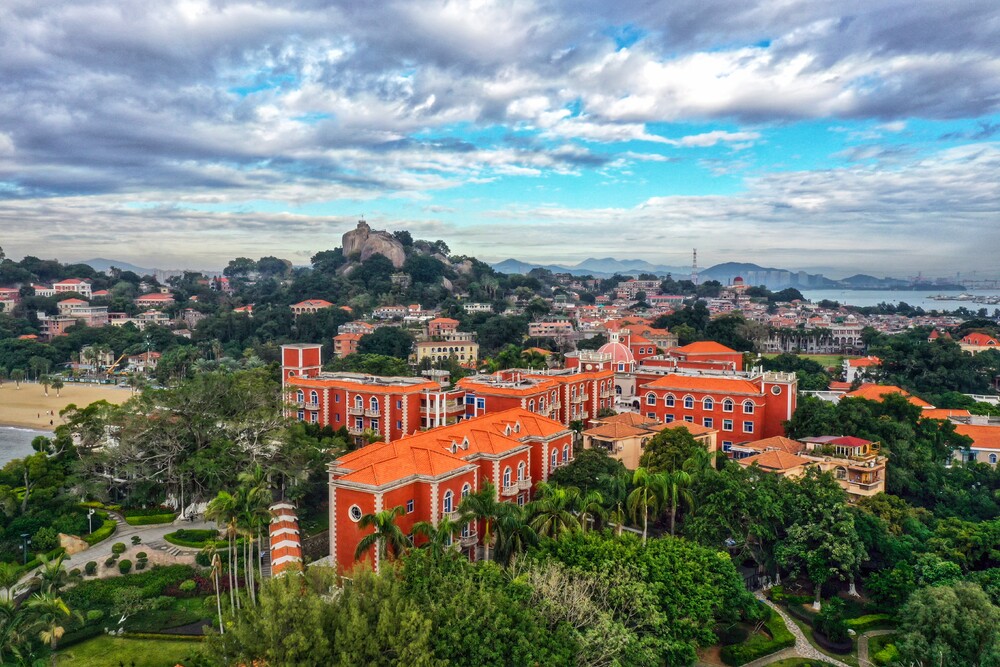
Kulangsu, a Historic International Settlement
Kulangsu is a tiny island located on the estuary of the Chiu-lung River, facing the city of Xiamen. With the opening of a commercial port at Xiamen in 1843, and the establishment of the island as an international ...
Learn more →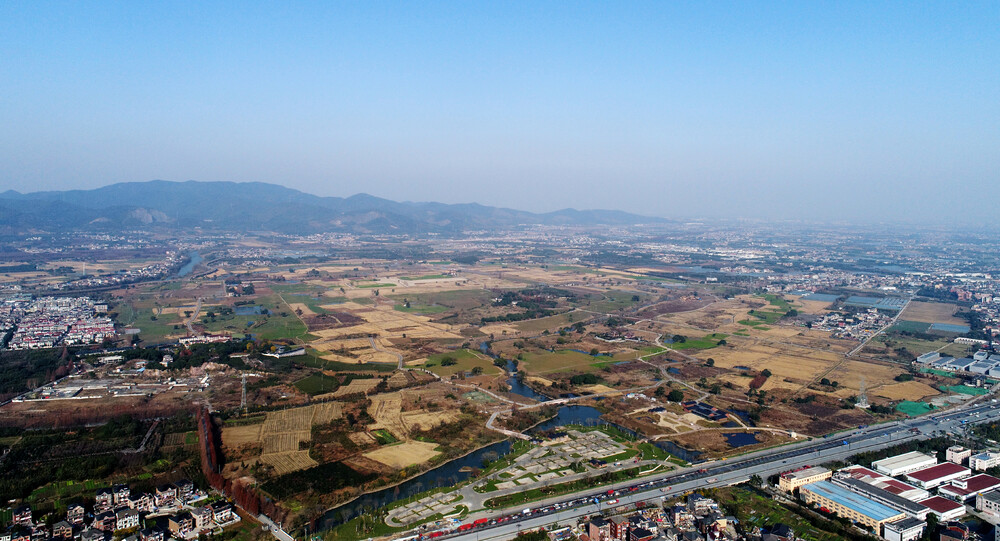
Archaeological Ruins of Liangzhu City
Located in the Yangtze River Basin on the south-eastern coast of the country, the archaeological ruins of Liangzhu (about 3,300-2,300 BCE) reveal an early regional state with a unified belief system based on rice ...
Learn more →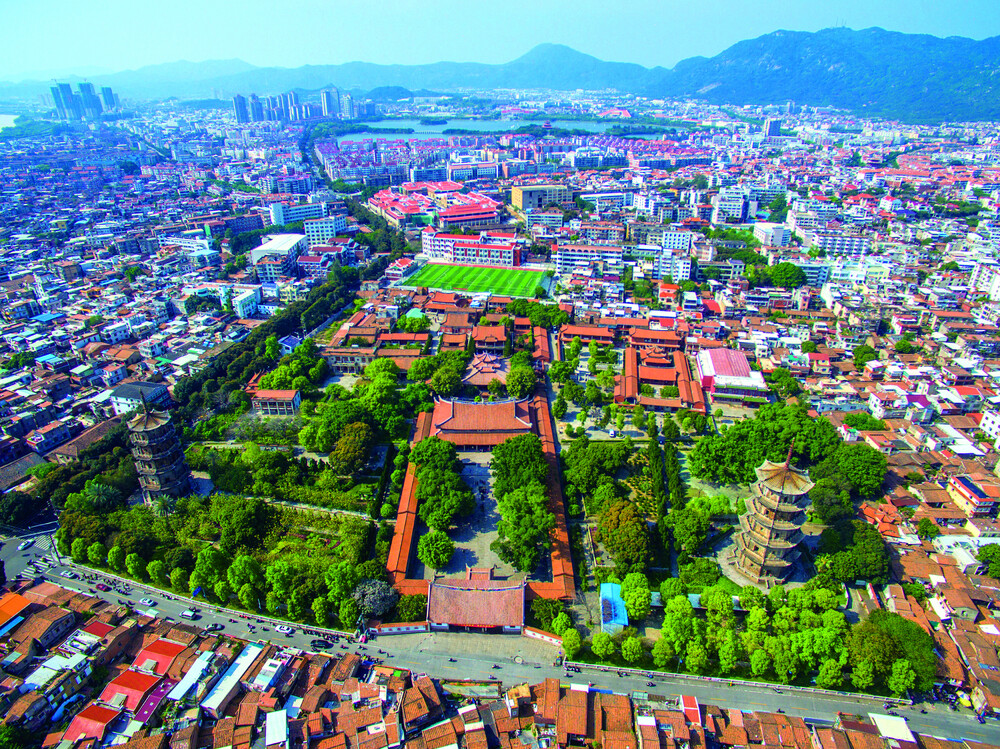
Quanzhou: Emporium of the World in Song-Yuan China
The serial site of Quanzhou illustrates the city’s vibrancy as a maritime emporium during the Song and Yuan periods (10th - 14th centuries AD) and its interconnection with the Chinese hinterland. Quanzhou thrived ...
Learn more →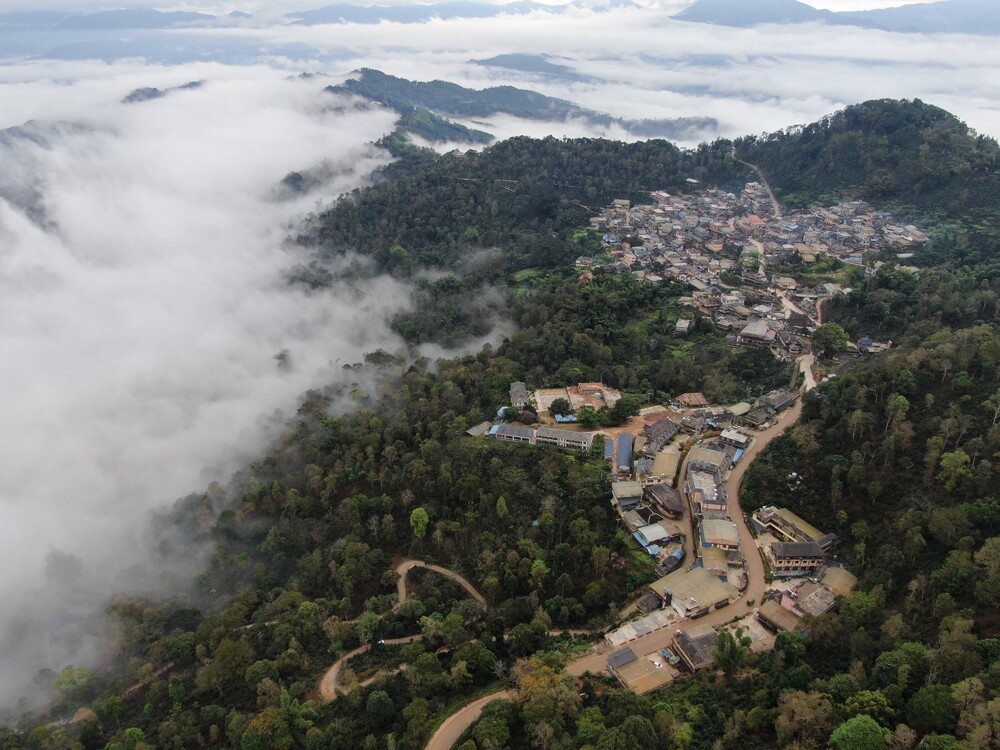
Cultural Landscape of Old Tea Forests of the Jingmai Mountain in Pu'er
Located on Jingmai Mountain in southwestern China, this cultural landscape was developed over a thousand years by the Blang and Dai peoples following practices that began in the 10th century. The property is a tea ...
Learn more →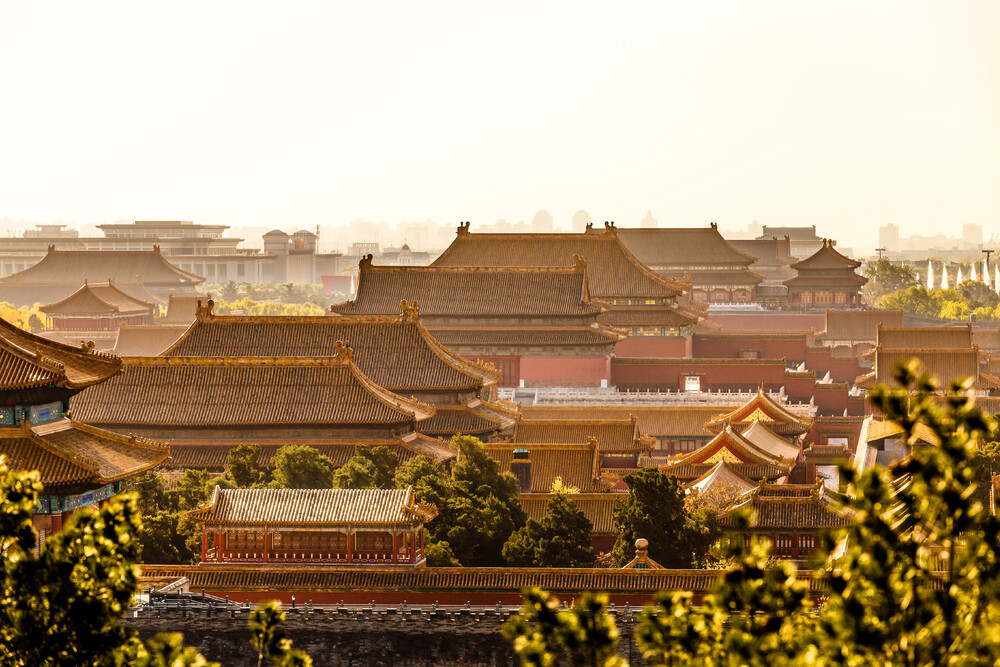
Beijing Central Axis: A Building Ensemble Exhibiting the Ideal Order of the Chinese Capital
Running north to south through the heart of historical Beijing, the Central Axis consists of former imperial palaces and gardens, sacrificial structures, and ceremonial and public buildings. Together they bear ...
Learn more →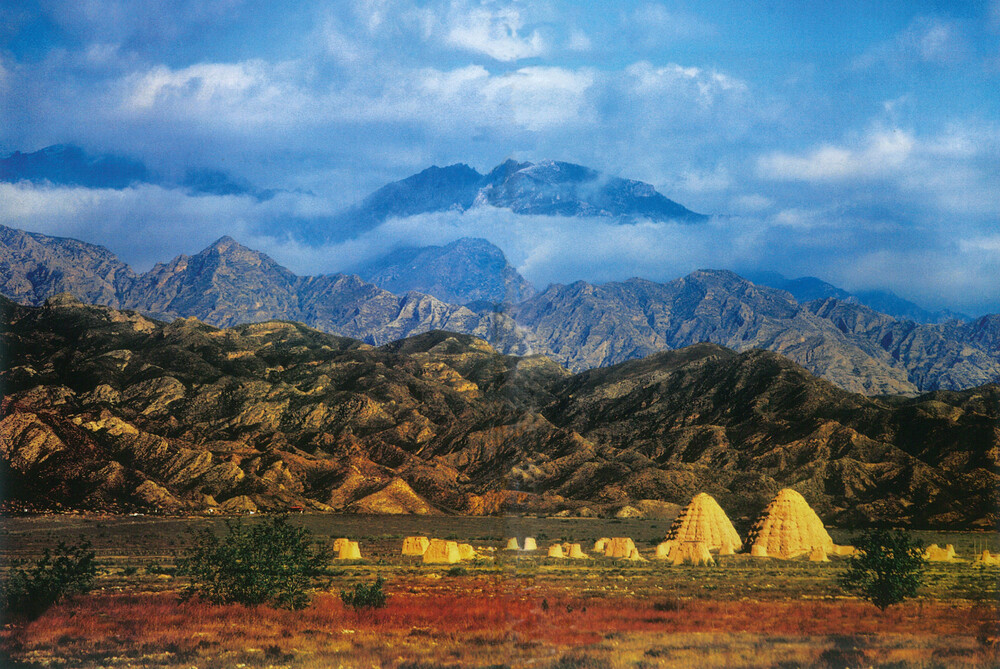
Xixia Imperial Tombs
Located in the foothills of the southern Helan Mountains in Ningxia, this necropolis is the imperial cemetery of the Xixia Dynasty. It includes nine imperial mausoleums, 271 subordinate tombs, a northern ...
Learn more →